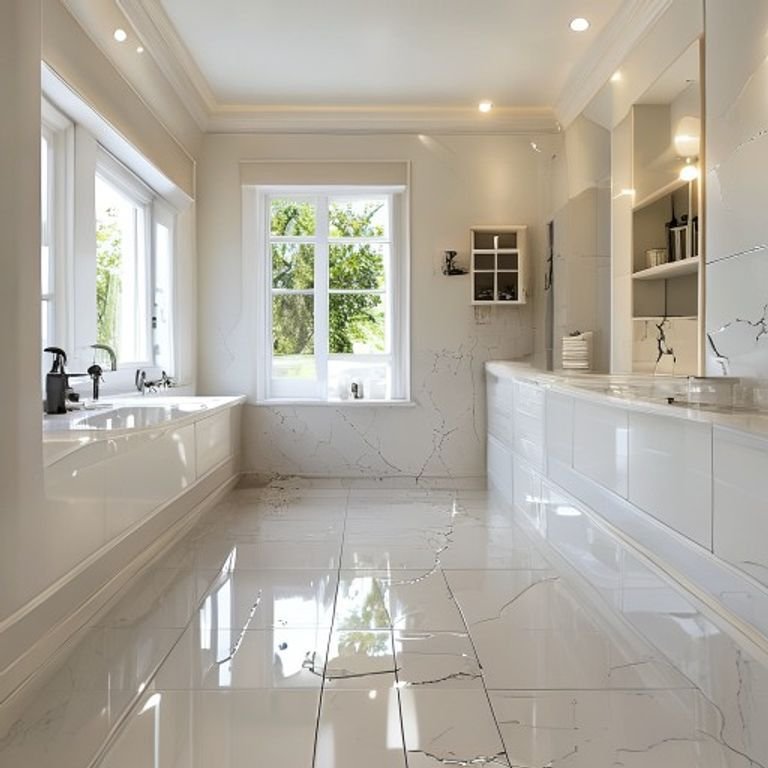
Cracked caulk is a common eyesore in any bathroom, but fixing it is easier than you think. With these bathroom caulking tips you can restore a clean, water‑tight seal and keep your space looking fresh.
Quick Tip: Before replacing parts, turn off the water supply and take a quick photo of the tap setup. It makes reassembly much easier.
Why Caulk Cracks
Over time, caulk deteriorates because of moisture, temperature changes, and normal wear. When the seal fails, water can seep behind tiles, leading to mold and damage. Understanding the cause helps you prevent future cracks.
Tools and Materials Needed
- Utility knife or caulk removal tool
- Caulk remover or rubbing alcohol
- Clean rags
- New silicone or latex caulk
- Caulking gun
- Gloves and safety glasses
Step‑by‑Step Guide to Repair Cracked Caulk
Step 1: Remove the Old Caulk
Use a utility knife or a specialized caulk removal tool to cut away the cracked bead. Pull the old material out gently, then wipe the joint with a rag dampened with caulk remover or rubbing alcohol to eliminate residue.
Step 2: Clean and Dry the Area
Make sure the surface is completely dry. Moisture trapped under new caulk will prevent proper adhesion. Let the area air‑dry for at least 30 minutes.
Step 3: Apply New Caulk
Cut the tip of the caulk tube at a 45‑degree angle, creating a small opening. Load the tube into the caulking gun, press the trigger to prime the nozzle, and apply a steady bead along the joint. Keep the gun at a consistent angle for an even line.
Step 4: Smooth the Caulk
Before the caulk skins over, smooth it with a wet finger or a caulk‑smoothing tool. This creates a neat finish and helps seal the joint effectively.
Step 5: Allow to Cure
Check the product label for curing time, usually 24 hours. Avoid using the shower or bath during this period to ensure a strong bond.
Practical Tips for Long‑Lasting Seals
- Work in a well‑ventilated area to speed drying and reduce fumes.
- Choose a mildew‑resistant caulk for bathrooms.
- Apply caulk when the temperature is between 50‑85°F for optimal adhesion.
- Regularly inspect seams and reapply caulk before cracks appear.
Frequently Asked Questions
Question: Can I use silicone caulk on all bathroom surfaces?
Yes, silicone caulk is ideal for wet areas like showers and bathtubs because it remains flexible and resists mold.
Question: How often should I replace bathroom caulk?
Typically every 5‑7 years, or sooner if you notice cracking, discoloration, or loss of elasticity.
Question: Is it safe to use a hair dryer to speed up curing?
It’s best to let the caulk cure naturally; excessive heat can cause uneven curing and weaken the seal.
Need help with another home fix? Keep this guide handy and check your taps, drains, and fixtures regularly to catch small problems early.
Conclusion
Fixing cracked caulk is a simple DIY task that improves both the look and functionality of your bathroom. Follow these bathroom caulking tips, work carefully, and you’ll enjoy a clean, leak‑free seal for years. For more bathroom maintenance advice, check out our step‑by‑step guide on how to unclog a shower drain how to unclog a shower drain.
You can also check this helpful external resource about bathroom caulking tips.