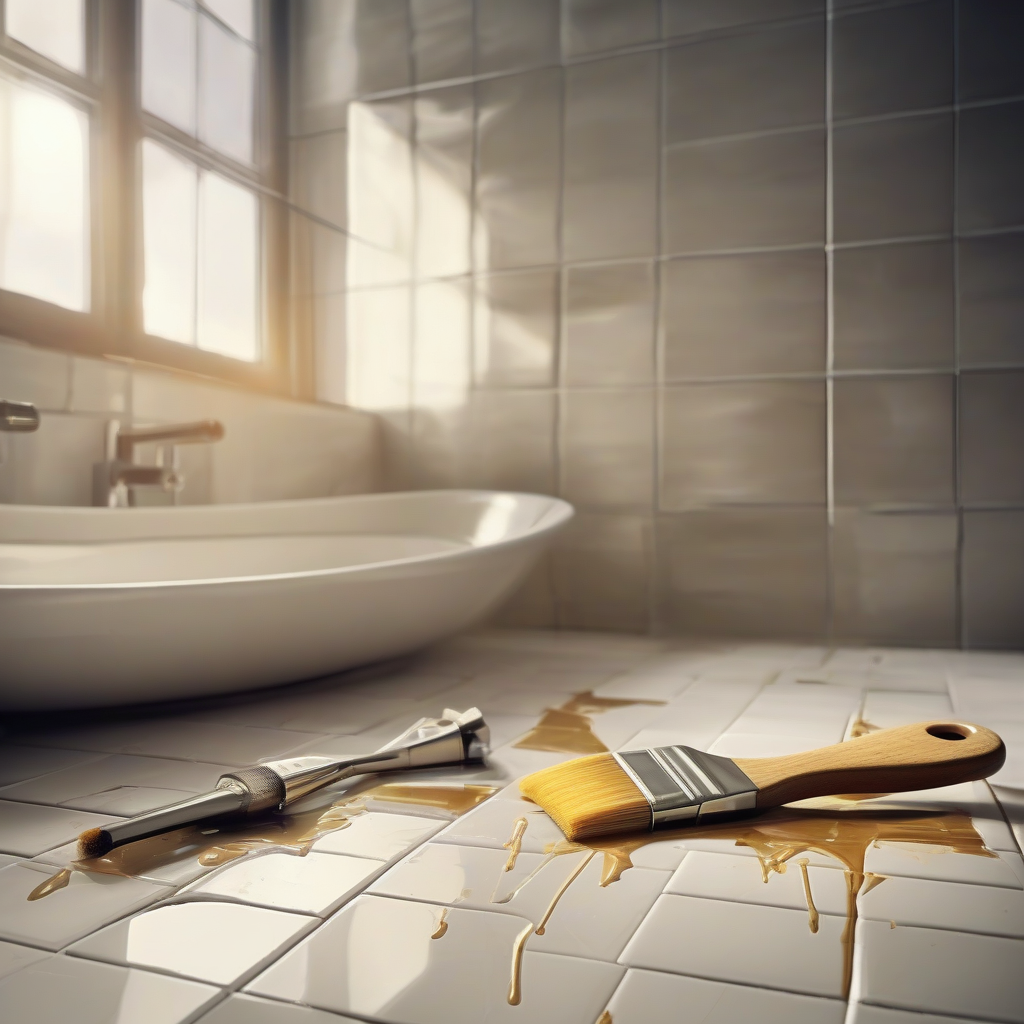
Nothing ruins the clean, polished look of a bathroom quite like a chipped tile. Whether it is a tiny edge nick from a dropped bottle or a larger crack near the shower base, damaged tiles are both an eyesore and a potential water risk. The good news? You do not always need to rip out an entire wall of tile to fix the problem. With the right approach, bathroom tile repair can be quick, affordable, and remarkably satisfying. In this guide, you will learn how to assess the damage, choose the best repair method, and restore your tiles so they look good as new.
Quick Tip: Before replacing parts, turn off the water supply and take a quick photo of the tap setup. It makes reassembly much easier.
Why Fixing Chipped Tiles Matters More Than You Think
Bathroom tiles are not just decorative. They protect the drywall or concrete beneath them from constant moisture. When a tile chips, that protective seal breaks down. Water can creep in, leading to mold, mildew, or rot over time. Even a small chip can spread if left untreated, especially in high-traffic areas like the shower floor or near the vanity. Taking care of it early keeps your bathroom healthier, safer, and more beautiful.
Assessing the Damage Before You Start
Not every chip requires the same repair technique. Before grabbing your tools, take a moment to evaluate the damage. This will save you time, money, and frustration later.
Small Chips and Surface Flakes
If the chip is shallow and only affects the glaze, you are in luck. These are the easiest to patch and often completely invisible once finished.
Medium Chips with Exposed Ceramic
When the chip goes deeper and you can see the lighter ceramic body underneath, you will need a filler material. Epoxy repair putty or porcelain filler works well here.
Cracked or Loose Tiles
If the tile is cracked through the body or wiggles when you press on it, a surface patch will not be enough. You may need to remove and replace the entire tile. For help with surrounding wall damage during removal, our guide on how to fix cracked wall paint and wall repair solutions can walk you through repairing any scuffed or exposed wall areas.
What You Will Need for Bathroom Tile Repair
Gathering your supplies ahead of time makes the job smoother. Here is a simple checklist:
- Epoxy filler or porcelain repair compound
- Matching tile paint or touch-up glaze
- Fine-grit sandpaper or a nail file
- A small putty knife or craft stick
- Clean cloth and rubbing alcohol
- Clear waterproof sealant
- Painter’s tape
- Gloves and a small brush
Step-by-Step Instructions to Repair a Chipped Tile
Follow these steps carefully, and your tiles will look professionally repaired without the professional price tag.
Step 1: Clean the Chipped Area Thoroughly
Use rubbing alcohol and a clean cloth to wipe away soap scum, grime, and dust. Any residue will prevent the filler from bonding properly. Let the area dry completely before moving on.
Step 2: Apply Painter’s Tape Around the Chip
Protect the surrounding tile surface with painter’s tape. This keeps filler from spreading where it does not belong and makes cleanup much easier.
Step 3: Mix and Apply the Filler
If you are using a two-part epoxy, mix the components according to the manufacturer’s instructions. Use a putty knife or craft stick to press the filler firmly into the chip. Overfill slightly, as the material may settle or shrink as it cures.
Step 4: Smooth and Shape While Wet
Before the filler hardens, shape it to match the surrounding tile surface. A wet finger or a damp cloth works well to create a smooth, level patch. Do not worry about perfection at this stage, you will refine it later.
Step 5: Let It Cure Completely
Patience is key here. Most epoxy fillers need at least 24 hours to harden fully. Avoid using the shower or splashing water on the repair during this time.
Step 6: Sand the Repaired Area
Once cured, gently sand the patch with fine-grit sandpaper or a nail file. The goal is to create a flush, smooth surface that blends with the tile. Work slowly and check your progress often.
Step 7: Match the Color and Apply Touch-Up Paint
Tile repair kits often include paint or you can purchase tub and tile paint that matches your color. Apply in thin coats with a small brush, letting each coat dry before adding the next. This layering builds a natural, glazed look.
Step 8: Seal the Repair
Finish with a clear, waterproof sealant to protect your work. This step is especially important in wet areas like showers and bathtub surrounds.
Practical Tips for a Better Repair
A few extra tricks can make the difference between an okay patch and one you barely notice:
- Color match in natural light. Bathroom lighting can distort colors, so hold your paint sample near a window if possible.
- Less is more with filler. It is easier to add another layer than to sand away too much.
- Take a photo of your tile to the hardware store. A visual reference helps staff recommend the right product.
- Work in a well-ventilated space, especially when using epoxy or sealants.
- Test your touch-up paint on a loose tile or hidden spot first.
When to Call in a Professional
DIY bathroom tile repair is fantastic for minor to moderate damage. However, if multiple tiles are loose, water has seeped behind the wall, or mold is present, it is time to call a professional. They can assess the full scope of damage and ensure the underlying structure is sound. Sometimes the smartest DIY decision is knowing when to step aside.
Frequently Asked Questions
Can I repair a chipped tile without replacing it?
Yes. Small and medium chips can be filled, sanded, painted, and sealed without removing the tile. Only severe cracks or loose tiles require full replacement.
How long does a tile repair take?
Active work takes about 30 to 60 minutes, but curing time is what stretches the project. Expect to wait 24 to 48 hours before the area is fully water-ready.
Will the repair be completely invisible?
A careful repair is often difficult to spot, especially on textured or patterned tiles. Solid colors show imperfections more easily but still look dramatically better than an exposed chip.
Can I use this method on floor tiles too?
Absolutely. Floor tiles endure more pressure, so be sure to use a heavy-duty epoxy filler and a durable sealant rated for flooring.
What if I cannot find a color match?
Consider using a contrasting tile paint to create a decorative accent, or use a neutral shade that blends with grout lines. Some homeowners intentionally turn small repairs into subtle design features.
Wrapping Up
Chipped bathroom tiles happen to everyone, but they do not have to be a permanent blemish on your space. With a little time, the right supplies, and a calm approach, bathroom tile repair becomes a totally manageable weekend project. Your bathroom will look cleaner, last longer, and feel more like the relaxing retreat it was meant to be. So grab your filler, roll up your sleeves, and give those tiles the fresh start they deserve.
You can also check this helpful external resource about bathroom tile repair.