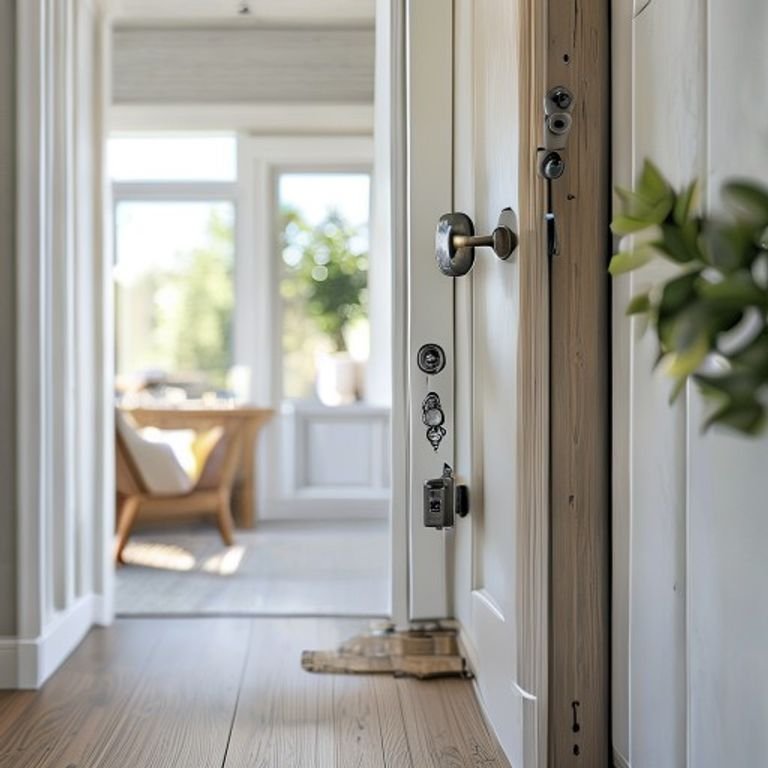
That annoying squeak every time you open or close a door isn’t just a nuisance—it’s a sign your door hinge needs attention. Whether it’s a bedroom, closet, or exterior door, a squeaky hinge can disrupt your peace and even signal wear that could lead to bigger door maintenance issues down the road. The good news? Fixing a squeaky hinge is quick, affordable, and requires no advanced skills. In this guide, we’ll walk you through the process of silencing that squeak and keeping your doors functioning smoothly for years to come.
Quick Tip: Before replacing parts, turn off the water supply and take a quick photo of the tap setup. It makes reassembly much easier.
Why Do Door Hinges Squeak?
Squeaky hinges are typically caused by friction between the metal parts. Over time, dust, dirt, or lack of lubrication causes the hinge pins to grind against the hinge knuckles, creating that grating noise. Moisture can also contribute to rust, which worsens the problem. Addressing this issue promptly as part of routine door maintenance prevents further damage and extends the life of your hinges.
What You’ll Need
- A lubricant (WD-40, silicone spray, or graphite powder)
- A cloth or paper towel
- A screwdriver (to remove hinge pins if necessary)
- Gloves (to avoid getting lubricant on your hands)
Step-by-Step Instructions to Fix a Squeaky Door Hinge
1. Identify the Squeaky Hinge
Open and close the door slowly to pinpoint which hinge is causing the noise. If multiple hinges squeak, you’ll need to repeat the process for each one.
2. Clean the Hinge
Use a cloth to wipe away visible dirt or grime from the hinge. For stubborn buildup, a small brush or toothbrush can help loosen debris. This step ensures the lubricant adheres properly.
3. Apply Lubricant
Shake the lubricant can well, then spray it directly onto the hinge pin and knuckles. Let it sit for a few minutes to penetrate the metal. Avoid oil-based lubricants like WD-40 long-term, as they can attract more dust—opt for silicone or graphite instead.
4. Work the Door Back and Forth
Open and close the door several times to distribute the lubricant evenly. The squeak should diminish with each movement. If it persists, you may need to disassemble the hinge.
5. Disassemble the Hinge (If Necessary)
Use a screwdriver to remove the hinge pin. Tap it gently with a hammer to loosen it, then pull it out. Clean the pin and hinge knuckles thoroughly before reinserting the pin and applying lubricant again.
Practical Tips for Long-Term Door Maintenance
- Lubricate hinges every 3–6 months: Make it part of your seasonal cleaning routine.
- Use the right lubricant: Avoid WD-40 for frequent use; silicone or graphite is better for door maintenance.
- Check other hinges: While fixing one, inspect adjacent hinges for wear.
- Replace worn hinges: If lubrication doesn’t help, consider upgrading to heavy-duty hinges.
Frequently Asked Questions
Why does my door hinge squeak even after lubrication?
If the squeak returns quickly, the hinge may be misaligned or worn out. In such cases, tightening screws or replacing the hinge is necessary.
What’s the best lubricant for door hinges?
Silicone-based lubricants are ideal for door maintenance because they’re non-sticky and resistant to temperature changes. Graphite powder works well for infrequent use.
How often should I lubricate my door hinges?
Aim to lubricate hinges every 3–6 months, or whenever you notice increased squeaking. High-traffic doors may need more frequent attention.
Can I use cooking oil as a substitute?
While cooking oil can temporarily reduce squeaks, it’s not recommended for long-term door maintenance. It attracts dirt and can go rancid over time.
Need help with another home fix? Keep this guide handy and check your taps, drains, and fixtures regularly to catch small problems early.
Conclusion
A squeaky door hinge might seem like a small annoyance, but addressing it promptly is a smart step in proactive door maintenance. By following these simple steps, you’ll not only eliminate the noise but also prevent costly repairs later. For more home improvement tips, explore our HomeFix guide to keep your space in top condition. Don’t let a squeaky door slow you down—take action today and enjoy the satisfaction of a quiet, well-maintained home!
You can also check this helpful external resource about door maintenance.