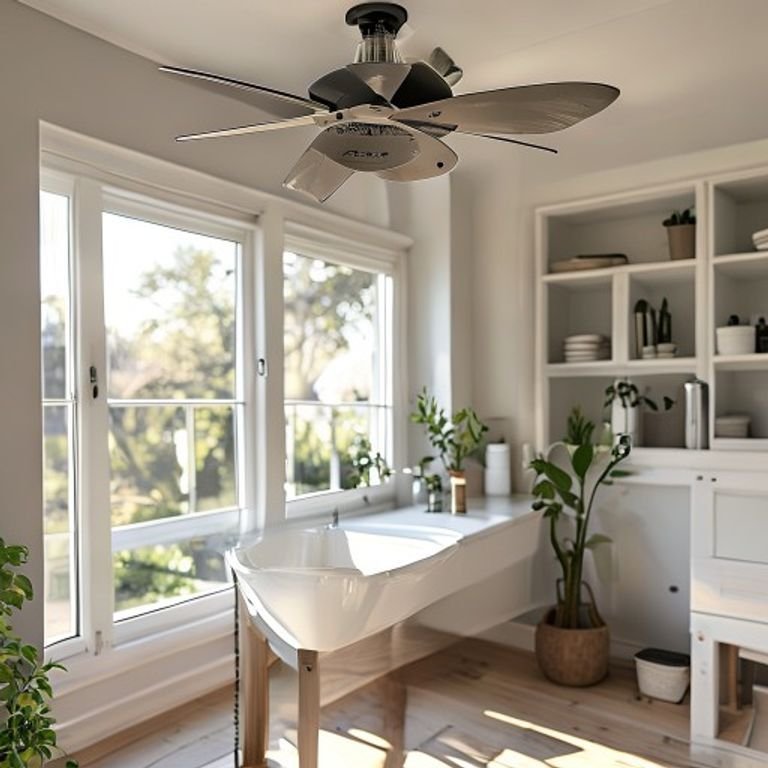
If your bathroom fan sounds like a helicopter taking off every time you flip the switch, you’re not alone. A noisy bathroom fan isn’t just annoying—it can also indicate underlying issues that need attention. Fortunately, fixing a noisy bathroom fan is often simpler than you think. With a few basic tools and some patience, you can restore peace to your space while ensuring proper ventilation. This guide walks you through common causes and practical solutions, helping you tackle this common bathroom repair like a pro.
Quick Tip: Before replacing parts, turn off the water supply and take a quick photo of the tap setup. It makes reassembly much easier.
Why Is My Bathroom Fan So Noisy?
Before diving into repairs, understanding why your fan is noisy helps identify the root cause. Common culprits include:
- Dust and debris buildup on the fan blades or motor
- Loose or unbalanced fan blades
- Worn-out bearings or motor components
- Improper installation or vibration against the housing
- Obstructions in the ductwork
What You’ll Need
- Screwdriver set
- Vacuum cleaner with brush attachment
- Compressed air canister
- Lubricant (e.g., silicone spray)
- Replacement parts (if needed)
- Work gloves
Step-by-Step Instructions
Step 1: Turn Off Power
Safety first! Switch off the bathroom fan at the circuit breaker. Use a voltage tester to confirm the power is off before handling any components.
Step 2: Remove the Fan Cover
Most fan covers are held in place by screws or clips. Gently twist or pry the cover off to expose the internal components. If there’s a light fixture attached, disconnect the wiring carefully.
Step 3: Clean the Fan Blades
Use a vacuum with a brush attachment to remove dust and debris from the blades and motor housing. For stubborn buildup, use compressed air to blow away particles. A clean fan operates more quietly and efficiently.
Step 4: Inspect and Tighten Components
Check if the fan blade is loose or wobbly. Tighten any loose screws using a screwdriver. If the blade is damaged, consider replacing it. Also, inspect the motor mount for cracks or wear.
Step 5: Lubricate the Motor
If your fan has an oil port, add a few drops of lightweight oil. For modern motors without ports, a quick burst of silicone spray around the motor shaft can reduce friction. Avoid over-lubricating, which can attract more dust.
Step 6: Check the Ductwork
Ensure the duct connected to the fan isn’t kinked or blocked. Obstructions force the fan to work harder, increasing noise. Straighten any bends and clear debris from the vent opening outside.
Step 7: Reassemble and Test
Once everything is clean and tightened, reattach the fan cover. Turn the power back on and test the fan. If it’s still noisy, consider replacing the entire unit or consulting a professional.
Practical Tips for Long-Term Quiet Operation
- Regular Maintenance: Clean your fan every 3–6 months to prevent dust accumulation.
- Upgrade Outdated Units: Older fans (pre-1990s) tend to be louder. Modern models are designed for quieter operation.
- Install Sound-Absorbing Materials: Adding acoustic foam inside the housing can dampen vibrations.
- Check Wall/Ceiling Vibrations: If the noise persists, the fan might be vibrating against the ceiling or wall. Add rubber gaskets to isolate the unit.
Frequently Asked Questions
Why is my bathroom fan making a rattling noise?
Rattling often indicates loose components. Check that the fan blade is securely fastened and inspect the motor mount for cracks. Tightening screws and cleaning debris usually resolves the issue.
How do I stop my bathroom fan from humming?
A humming sound typically points to electrical issues or a failing motor. Try cleaning the motor and tightening connections. If the noise continues, the motor may need replacement.
Can a noisy bathroom fan be dangerous?
While not immediately dangerous, a noisy fan often signals wear or blockages that could lead to overheating or poor ventilation. Address the issue promptly to maintain safety and efficiency.
How often should I service my bathroom fan?
Regular maintenance every 3–6 months keeps your fan running smoothly. This includes cleaning, lubrication, and checking for loose parts.
Final Thoughts
A noisy bathroom fan doesn’t have to be a permanent headache. By following these steps, you can diagnose and fix the problem yourself, saving time and money on costly replacements. Remember, proper maintenance is key to keeping your bathroom ventilation system in top shape. For more bathroom repair tips, check out our guide on how to unclog a shower drain. With a little effort, you’ll enjoy a quieter, more comfortable bathroom in no time.
You can also check this helpful external resource about bathroom repair.