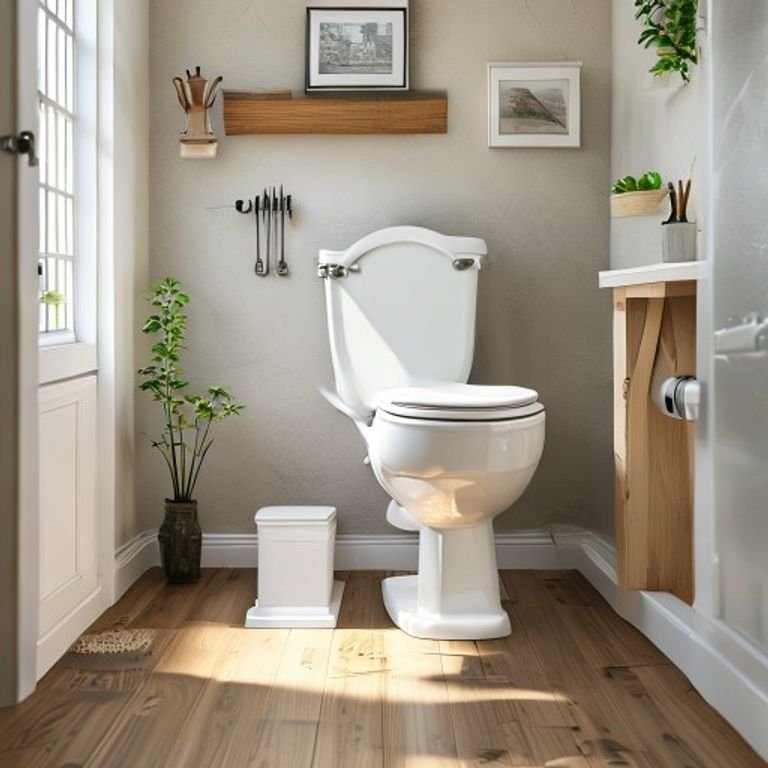
There’s nothing more unsettling than sitting down on a toilet that shakes like a washing machine. A wobbling toilet isn’t just uncomfortable—it can lead to cracks, leaks, and costly repairs if ignored. Fortunately, restoring toilet stability is a straightforward DIY project that most homeowners can tackle in an afternoon. In this article we’ll walk you through the causes, share step‑by‑step instructions, and give you practical tips to keep your bathroom solid and serene.
Quick Tip: Before replacing parts, turn off the water supply and take a quick photo of the tap setup. It makes reassembly much easier.
Why Does a Toilet Wobble?
Understanding the root cause helps you choose the right fix. Common reasons include:
- Loose bolts: The bolts that secure the toilet to the floor can loosen over time.
- Uneven floor: Older homes often have slight floor imperfections that affect stability.
- Wax ring failure: A deteriorated wax seal can allow movement.
- Cracked or warped base: Damage to the porcelain base may cause rocking.
Tools and Materials You’ll Need
- Adjustable wrench
- Flathead screwdriver
- Toilet shims (plastic or rubber)
- New toilet bolts and washers (optional but recommended)
- Caulk gun and silicone sealant
- Level
- Bucket and towels
Step‑by‑Step Toilet Stability Repair
Step 1 – Diagnose the Problem
Place a level on the toilet seat. If it reads off‑center, the issue is likely loose bolts or an uneven floor. Gently rock the toilet; if it moves, you’ve confirmed wobbling.
Step 2 – Turn Off the Water Supply
Locate the shut‑off valve behind the toilet and turn it clockwise until it stops. Flush the toilet to empty the tank and bowl, then use a sponge or towel to soak up any remaining water.
Step 3 – Remove the Old Bolts
Using an adjustable wrench, loosen the nuts on the closet bolts at the base of the toilet. Carefully lift the toilet straight up and set it aside on a protective blanket.
Step 4 – Inspect and Clean the Flange
Check the closet flange for cracks or corrosion. Clean any old wax residue with a putty knife. If the flange is damaged, replace it before proceeding.
Step 5 – Install New Bolts and Shims
Place new bolts with washers into the flange holes. Lower the toilet back onto the bolts, ensuring the bowl is centered. Insert shims around the base until the level shows an even surface. Trim excess shim material with a utility knife.
Step 6 – Secure the Toilet
Tighten the bolt nuts evenly, alternating sides to avoid cracking the porcelain. Do not overtighten; the bolts should be snug but the toilet must still sit flush on the floor.
Step 7 – Re‑seal the Base
Apply a bead of silicone sealant around the base of the toilet, smoothing it with a fingertip. This prevents water from seeping underneath and adds extra stability.
Step 8 – Restore Water Supply
Turn the shut‑off valve counter‑clockwise to open it. Allow the tank to fill, then flush a few times to check for leaks around the bolts and flange.
Practical Tips for Long‑Lasting Stability
- Check bolt tightness every 6–12 months—preventive maintenance saves headaches.
- Use plastic shims rather than wood; they won’t absorb water and shrink.
- If the floor is significantly uneven, consider a self‑leveling compound before reinstalling the toilet.
- For persistent wobble, replace the wax ring with a reinforced wax‑free seal.
- Read our related guide on how to repair a running toilet for additional bathroom maintenance tips.
Frequently Asked Questions
Can I use a regular wrench for the toilet bolts?
Yes, an adjustable wrench works fine. Just be gentle to avoid cracking the porcelain.
Do I need to replace the wax ring every time I fix wobbling?
It’s a good idea to replace it whenever you lift the toilet, as the seal may be compromised.
What if my floor is sloped?
Use a self‑leveling compound to even out the area around the flange before reinstalling the toilet.
Is it safe to use metal shims?
Metal shims can rust and cause corrosion. Plastic or rubber shims are the preferred choice for bathroom environments.
Need help with another home fix? Keep this guide handy and check your taps, drains, and fixtures regularly to catch small problems early.
Conclusion
Stopping a toilet from wobbling doesn’t require a professional plumber—just a few tools, some patience, and the right steps. By tightening bolts, adding shims, and sealing the base, you’ll enjoy a stable, leak‑free toilet for years to come. Remember to inspect your bathroom fixtures regularly and address small issues before they become big problems. Happy fixing!
You can also check this helpful external resource about toilet stability repair.