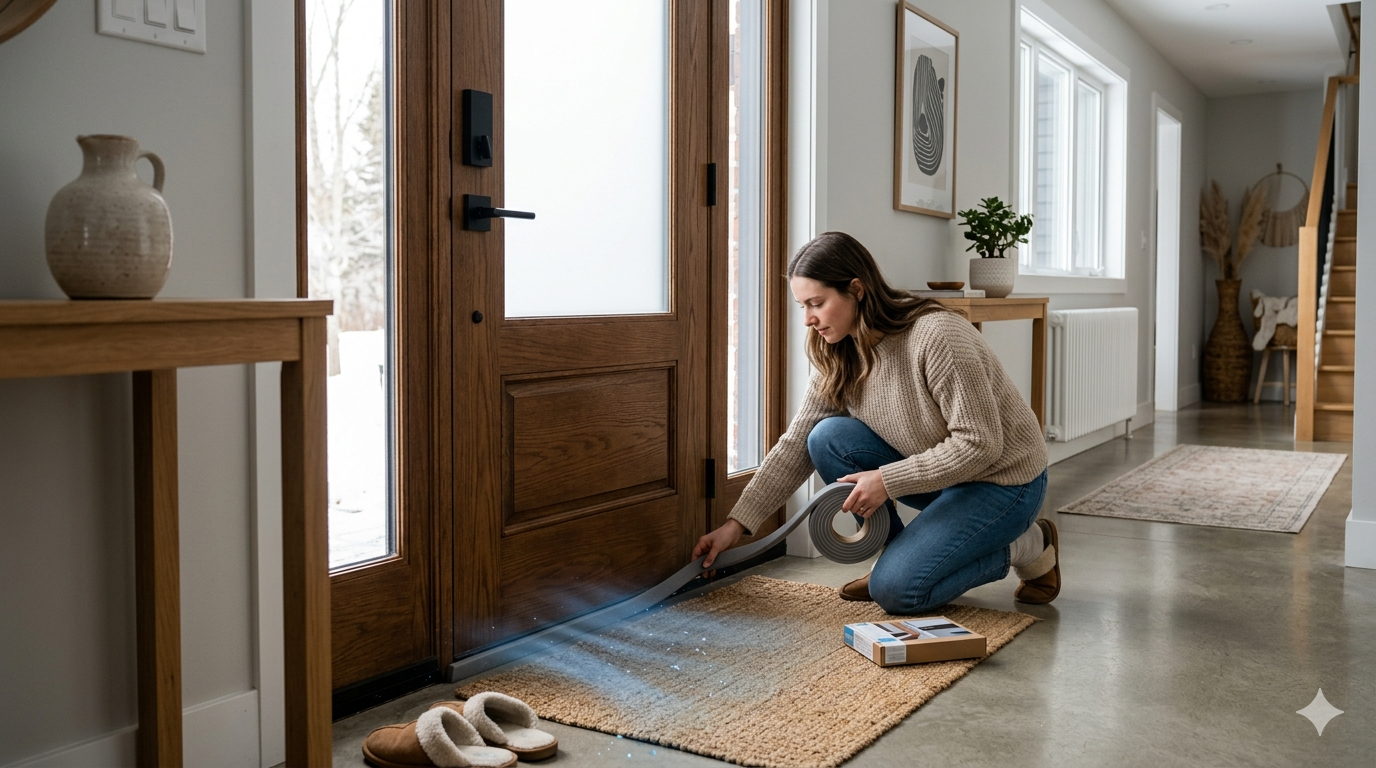
Imagine coming home to a drafty door that lets cold air rush in, making your heating bills skyrocket. Door drafts aren’t just uncomfortable—they waste energy and drive up costs. Whether you’re dealing with a gap around your front door or a creaky closet entry, fixing these leaks is simpler than you think. With the right insulation tips and a few practical adjustments, you can seal those drafts for good. Let’s dive into how to make your home warmer, quieter, and more energy-efficient.
Quick Tip: Before replacing parts, turn off the water supply and take a quick photo of the tap setup. It makes reassembly much easier.
Why Door Drafts Matter
Drafts around doors can account for up to 30% of heat loss in a home. They’re not just a nuisance—they strain your HVAC system, increase energy bills, and make living spaces feel unwelcoming. Even small gaps can let in enough cold air to disrupt your comfort. The good news? Most door drafts stem from easily fixable issues like worn weatherstripping, misaligned thresholds, or poor insulation. Addressing them is a cost-effective way to improve your home’s efficiency and comfort.
Step-by-Step Guide to Stop Door Drafts
Step 1: Identify the Source of the Draft
Start by feeling for cold spots around your doors. Close the door and hold a lit candle near the edges. If the flame flickers, you’ve found a gap. Common culprits include the door frame, threshold, or jamb. You can also use a piece of tape on a dollar bill to trace where air is leaking.
Step 2: Seal Gaps with Weatherstripping
Weatherstripping is a quick fix for most door drafts. Adhesive-backed vinyl or foam strips are ideal for sealing the gap between the door and frame. For larger gaps, use a door sweep at the bottom. Apply the weatherstripping along the door’s edges, ensuring it compresses tightly when closed. This simple step can cut drafts by up to 50%.
Step 3: Add Insulation for Long-Term Solutions
If drafts persist, consider adding insulation tips like foam insulation or draft stoppers. Foam can fill irregular gaps, while felt or silicone-based draft stoppers work well for smaller spaces. For exterior doors, insulating the door itself with reflective foil wrap can also help retain heat. These methods are especially useful in colder climates or older homes with less efficient materials.
Step 4: Check the Door Alignment
Sometimes, drafts occur because the door isn’t sitting properly. Use a level to check if the door is plumb. If it’s tilted, adjust the hinges or add shims to realign it. A properly aligned door seals better and reduces wear on hardware over time.
Practical Insulation Tips for Every Budget
- DIY Door Sweeps: Attach a brush or rubber strip to the bottom of the door for a low-cost solution.
- Caulk Seams: Seal gaps between the door and frame with silicone caulk for a permanent fix.
- Insulated Curtains: Pair draft-proof curtains with your existing insulation for added warmth.
- Use a Draft Snake: A rolled-up towel or commercial draft snake placed at the door’s base blocks cold air.
FAQ: Your Door Draft Questions Answered
Why do drafts happen even after sealing gaps?
Drafts can persist if the sealing material isn’t compressed enough or if there are hidden cracks. Recheck your weatherstripping and consider adding secondary insulation like foam.
Can insulation tips help with both heating and cooling costs?
Absolutely! Proper insulation regulates indoor temperature year-round. It keeps heat in during winter and blocks external heat in summer, reducing reliance on HVAC systems.
Is it worth investing in professional insulation?
For major gaps or complex door setups, professional help might be worth it. However, most homeowners can tackle drafts with basic insulation tips and DIY tools.
Conclusion: A Warmer Home Starts With Small Changes
Stopping door drafts doesn’t require a complete renovation. With a few targeted insulation tips and a bit of elbow grease, you can transform your home into a cozy, energy-efficient space. Remember, every sealed gap adds up—improving comfort and saving money in the long run. If you’re looking for more detailed guidance, check out our guide on sealing window gaps for additional strategies to boost your home’s efficiency.
Your home should be a sanctuary, not a drafty battleground. By addressing these leaks now, you’ll enjoy a warmer living environment and lower utility bills. Start small, stay consistent, and enjoy the comfort of a truly draft-free home!
You can also check this helpful external resource about insulation tips.