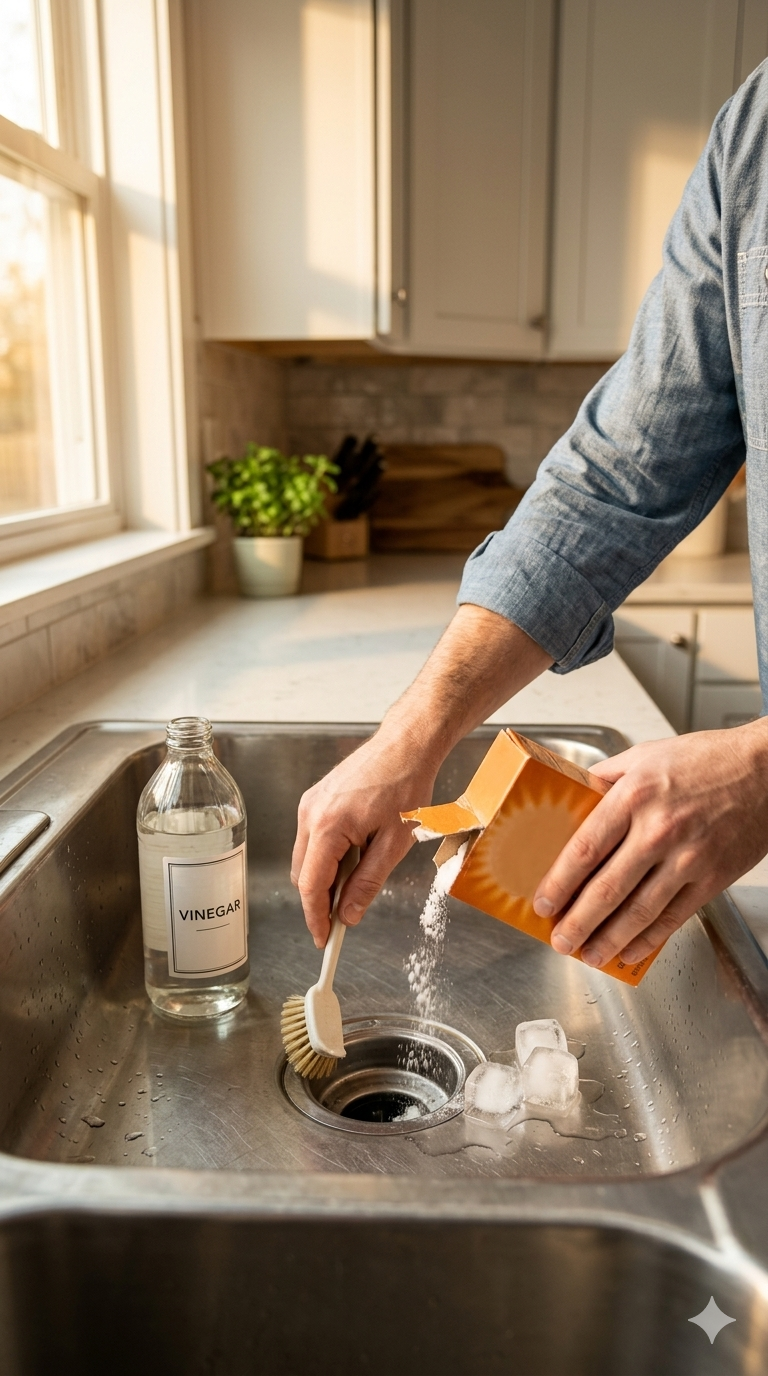
Few things are as unpleasant as a smelly kitchen sink. That lingering kitchen drain odor can turn even the most inviting space into a source of frustration. Whether it’s a mild mustiness or a pungent stench, addressing the issue quickly is key. In this guide, we’ll walk you through practical, step-by-step solutions to eliminate odors and keep your sink fresh. Let’s dive into simple fixes that anyone can tackle without special tools or chemicals.
Quick Tip: Before replacing parts, turn off the water supply and take a quick photo of the tap setup. It makes reassembly much easier.
Why Does Your Kitchen Sink Smell Bad?
Kitchen drain odors often stem from food particles, grease buildup, or stagnant water trapped in the drain. Over time, these substances create a breeding ground for bacteria and mold. Even with regular cleaning, small debris can hide in the pipes, causing persistent smells. Identifying the source helps you target the solution effectively.
Common Culprits
- Food residue stuck in the drain strainer
- Grease or oil clinging to pipe walls
- Dry P-traps siphoning water away
- Mold or mildew in damp areas
Step-by-Step: How to Eliminate Kitchen Drain Odor
1. Remove Visible Debris
Start by rinsing the sink and removing any food scraps from the strainer. Use a small brush or old toothbrush to scrub away stubborn bits. This prevents clogs and reduces odor-causing buildup.
2. Clean the Drain with Boiling Water
Pour boiling water down the drain in two stages. Let it sit for five minutes between pours to dissolve grease and loosen debris. This simple trick works wonders for minor smells.
3. Try a Natural Deodorizer
Mix equal parts baking soda and vinegar, then pour it into the drain. Let it fizz for 10 minutes before flushing with hot water. This eco-friendly combo tackles odors without harsh chemicals.
4. Flush with Ice and Salt
Drop ice cubes and a handful of coarse salt into the drain. The abrasive action scrubs away gunk as the ice melts, while salt neutralizes lingering smells.
5. Check the P-Trap
Place a bucket under the pipe under the sink, then remove the P-trap. Clean it thoroughly with a brush and replace it. This step is crucial if the odor persists.
Pro Tips for a Smell-Free Sink
- Run cold water for 15 seconds after using the sink to flush away residue.
- Use a drain strainer daily to catch food particles.
- Once a week, clean the drain with a baking soda and vinegar mix.
- Avoid pouring grease or coffee grounds down the drain.
FAQ: Your Kitchen Sink Odor Questions Answered
Why does my sink smell bad even after cleaning?
Residual gunk in the pipes or a dry P-trap might be the cause. Try flushing with boiling water and cleaning the P-trap as described above.
Can I use bleach to eliminate odors?
Bleach can help but may damage pipes over time. Opt for natural solutions like vinegar and baking soda for safer, long-term results.
How often should I clean my kitchen drain?
Weekly maintenance with hot water and baking soda keeps odors at bay. For heavy use, clean every 3-4 days.
Conclusion: Keep Your Kitchen Fresh
A smelly kitchen sink doesn’t have to be a permanent problem. By following these simple steps and incorporating regular maintenance, you can enjoy a fresh-smelling kitchen every day. For more in-depth sink care, check out our guide on how to unblock a sink fast. With a little effort, your kitchen will stay clean, fresh, and welcoming.
You can also check this helpful external resource about kitchen drain odor.