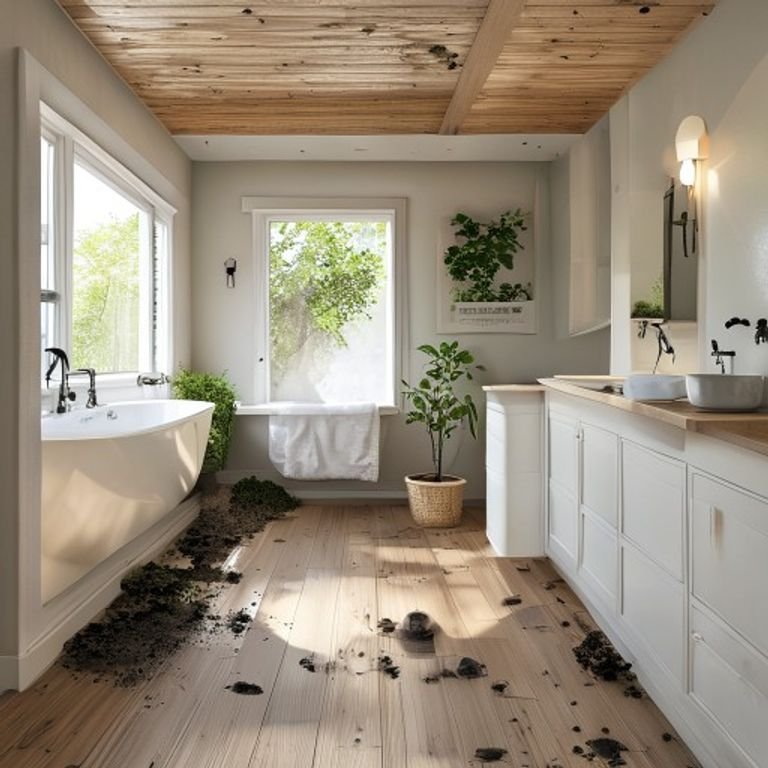
Bathroom mold is a common problem that many homeowners face, but it’s not just unsightly—it can also pose health risks and damage your surfaces over time. If you’ve noticed those telltale black or green spots creeping around your shower, tiles, or grout, it’s time to take action. This comprehensive guide will walk you through everything you need to know about effective bathroom cleaning strategies to eliminate mold and prevent its return.
Quick Tip: Before replacing parts, turn off the water supply and take a quick photo of the tap setup. It makes reassembly much easier.
Why Bathroom Mold Needs Your Immediate Attention
Mold thrives in the damp, humid environment that’s typical in bathrooms. While small amounts might seem harmless, mold can quickly spread and release spores into the air, potentially causing allergic reactions, respiratory issues, and other health problems. Additionally, mold can deteriorate grout, caulk, and even drywall, leading to costly repairs if left unchecked. Regular bathroom cleaning is essential to keep your space healthy and beautiful.
Essential Supplies for Effective Bathroom Cleaning
Before tackling your mold problem, gather these supplies:
- Protective gloves and mask
- Safety goggles
- White vinegar or hydrogen peroxide
- Baking soda
- Spray bottle
- Stiff-bristled brush
- Clean cloths or sponges
- Bucket of warm water
- Commercial mold remover (optional)
Step-by-Step Guide to Removing Bathroom Mold
Step 1: Prepare the Area
Start by opening windows or turning on the bathroom fan to ensure proper ventilation. Put on your protective gear—gloves, mask, and goggles—to avoid inhaling mold spores. Remove any items from the affected area and cover surfaces you don’t want to clean with plastic sheeting.
Step 2: Identify the Mold Type
Most bathroom mold is harmless, but it’s important to distinguish between common surface mold and potentially dangerous black mold (Stachybotrys chartarum). Black mold is typically slimy, dark green or black, and may have a musty odor. If you suspect black mold, consider hiring a professional for safe removal.
Step 3: Choose Your Cleaning Solution
Natural solutions are often effective for small to moderate mold problems:
- Vinegar solution: Mix equal parts white vinegar and water in a spray bottle
- Peroxide solution: Use 3% hydrogen peroxide directly from the bottle
- Baking soda paste: Mix baking soda with a small amount of water to form a paste
Step 4: Apply the Cleaning Solution
Spray your chosen solution generously onto the moldy areas. For tough mold, you might need to let the solution sit for 10-15 minutes before scrubbing. This pre-treatment helps break down the mold and makes your bathroom cleaning efforts more effective.
Step 5: Scrub the Mold Away
Using a stiff-bristled brush, scrub the moldy surfaces thoroughly. Apply firm pressure to remove mold from grout lines and porous surfaces. For small areas, an old toothbrush can work well for detailed cleaning.
Step 6: Rinse and Dry
After scrubbing, rinse the area with clean water and wipe dry with a clean cloth or towel. Proper drying is crucial to prevent mold from returning. Use towels to absorb excess moisture, and consider using a fan or dehumidifier to ensure the area is completely dry.
Step 7: Prevent Future Growth
The final step in effective bathroom cleaning is prevention. Apply a mold-resistant primer to cleaned surfaces, especially in high-moisture areas. Regularly check for signs of moisture buildup, such as peeling paint or warped surfaces, and address them promptly.
Advanced Bathroom Cleaning for Persistent Mold Problems
For more severe mold infestations, you might need stronger solutions:
- Bleach solution: Mix one cup of bleach with one gallon of water for non-porous surfaces
- Commercial mold cleaners: Look for products specifically designed for bathroom use
- Tea tree oil: Mix two teaspoons with two cups of water for a natural alternative
Remember that bleach shouldn’t be used on porous surfaces like grout or drywall, as it can push moisture deeper into the material and potentially worsen the problem.
Preventing Mold: The Key to Effective Bathroom Cleaning
The best approach to bathroom cleaning is preventing mold before it starts. Here are some practical tips:
- Improve ventilation: Use exhaust fans during and after showers
- Wipe down surfaces: Squeegee shower walls and sinks after use
- Fix leaks: Repair any plumbing leaks promptly
- Reduce humidity: Use a dehumidifier if bathroom humidity is consistently above 50%
- Keep things dry: Don’t leave wet towels or clothes lying around
- Regular cleaning: Establish a routine bathroom cleaning schedule
- Check your shower drain: A clogged shower drain can lead to standing water and mold growth. If you’re experiencing slow drainage, our guide on how to unclog a shower drain can help prevent moisture buildup.
Frequently Asked Questions About Bathroom Mold
Is bathroom mold dangerous?
Most bathroom mold is not dangerous, but it can cause allergic reactions in sensitive individuals. Black mold, however, can produce mycotoxins that may cause more serious health issues. When in doubt, consult a professional for assessment and removal.
How can I tell if the mold is completely gone?
After cleaning, check for any discoloration or musty odor. Surface mold should be completely removed, but remember that mold roots may still be present in porous materials. If mold returns quickly, you may need to replace affected materials.
How often should I clean my bathroom to prevent mold?
Regular bathroom cleaning is key. Wipe down wet surfaces daily, and do a deeper clean weekly. Pay special attention to grout lines, shower curtains, and areas with poor ventilation.
Can I use bleach to remove all types of bathroom mold?
Bleach is effective on non-porous surfaces but can make mold problems worse on porous materials by trapping moisture. For most bathroom cleaning needs, vinegar or hydrogen peroxide are safer and more effective alternatives.
What should I do if the mold keeps coming back?
Recurring mold indicates an underlying moisture problem. Check for leaks, improve ventilation, and consider using a dehumidifier. In some cases, water may be seeping through walls from outside sources, requiring professional repair.
Conclusion: Your Healthier Bathroom Starts Today
Tackling bathroom mold might seem daunting, but with the right approach and consistent bathroom cleaning habits, you can keep your space mold-free and healthy. Remember that prevention is always better than cure—regular maintenance and attention to moisture issues will save you time and effort in the long run.
Your bathroom should be a clean, refreshing space where you can relax and recharge. By implementing these bathroom cleaning strategies, you’re not just removing mold—you’re creating a healthier environment for you and your family. Start today, and enjoy the peace of mind that comes with a clean, mold-free bathroom.
You can also check this helpful external resource about bathroom cleaning.