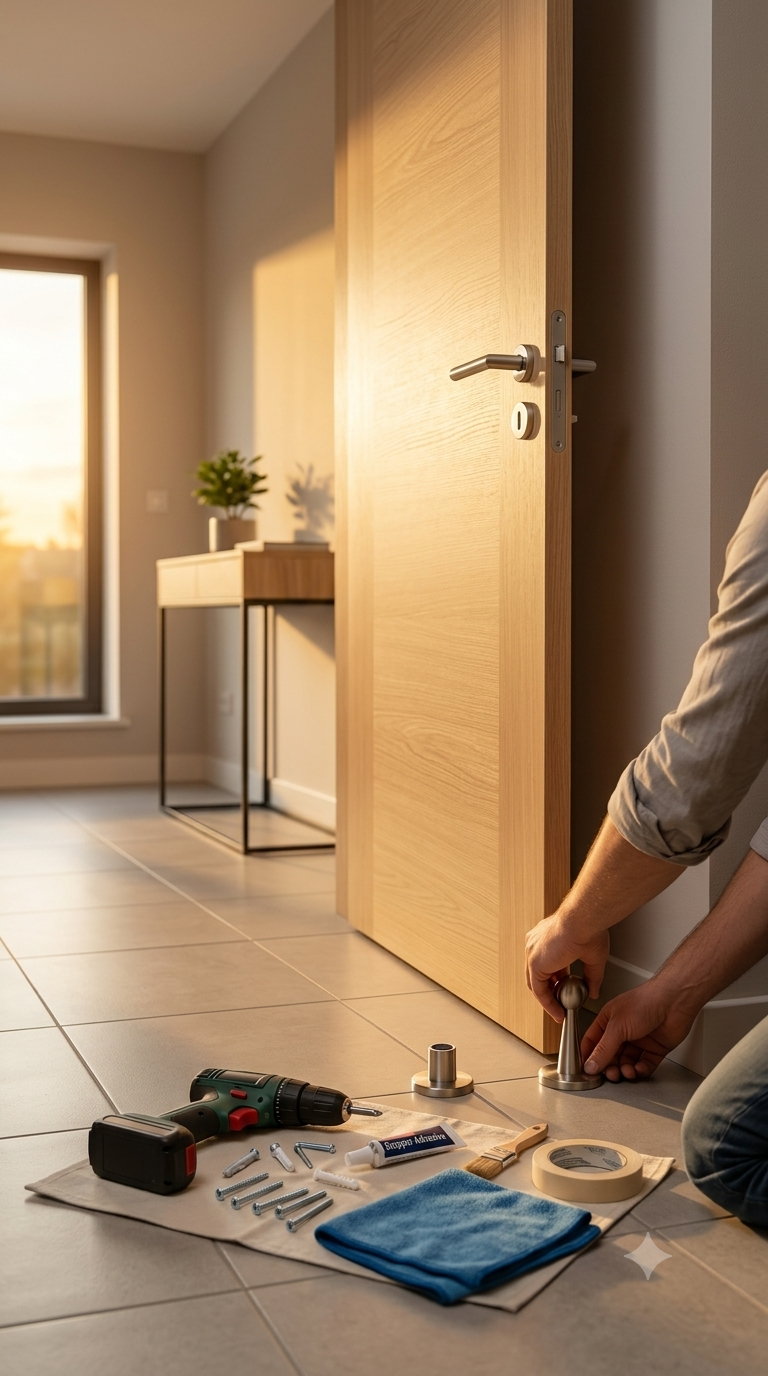
There’s nothing more frustrating than a door that refuses to stay open. Whether it’s a slamming back into place or drifting shut on its own, this issue can disrupt your daily routine. The good news? Most cases can be resolved with simple fixes, and incorporating door stopper tips into your solution might be the key. In this guide, we’ll walk you through practical steps to restore your door’s functionality and share expert advice to prevent future mishaps.
Quick Tip: Before replacing parts, turn off the water supply and take a quick photo of the tap setup. It makes reassembly much easier.
Why Your Door Won’t Stay Open: Common Causes
Several factors could be behind a door that won’t stay open. Misaligned hinges, a worn-out latch, or even an improperly sized gap can all contribute. Sometimes, the problem might seem minor but escalates over time. Identifying the root cause is the first step to a lasting fix.
Check for Misalignment
Start by inspecting the door’s alignment. If the door isn’t closing flush against the frame, it may not stay open properly. Use a level to check if the door sits straight. Misaligned hinges can cause uneven pressure, making the door unstable.
Examine the Latch Mechanism
Next, look at the latch. If it’s loose or damaged, the door might not latch securely when opened. Tighten screws or replace worn-out parts. A faulty latch is a common culprit, especially in older doors.
Step-by-Step Solutions to Fix the Problem
Adjust the Hinges for Stability
If misalignment is the issue, you’ll need to adjust the hinges. Loosen the screws slightly, then shift the door upward or downward until it closes evenly. Tighten the screws afterward. This simple adjustment can resolve many alignment-related problems.
Upgrade Your Latch or Handle
For latch-related issues, consider upgrading to a sturdier mechanism. A high-quality latch ensures the door stays open when needed. If you’re unsure, consult a professional or refer to this guide on hinge adjustments for inspiration.
Incorporate Door Stopper Tips
One of the easiest fixes is using a door stopper. These devices prevent the door from swinging shut unexpectedly. Choose a stopper that fits your door’s width and material. Magnetic or adjustable options offer flexibility and are ideal for high-traffic areas.
- Opt for a magnetic stopper if you want a no-drill solution.
- Adjustable stops allow customization for different door widths.
- Test the stopper in various positions to ensure it works seamlessly.
Practical Door Stopper Tips for Long-Term Success
Beyond immediate fixes, implementing smart door stopper tips can prevent future issues. For instance, place stoppers in areas where the door is frequently used, like bathrooms or closets. Regular maintenance, such as checking for wear or misalignment, also extends the life of your door and stoppers.
FAQ: Your Door Stopper Questions Answered
Why does my door keep closing on its own?
This often happens due to loose hinges, a faulty latch, or drafts causing the door to shift. Fixing the alignment or upgrading the latch usually resolves this.
Are door stoppers a permanent solution?
While stoppers are effective, they work best alongside other fixes like hinge adjustments. They’re more of a preventive measure than a cure-all.
How do I choose the right door stopper?
Consider the door’s material, weight, and usage. Heavy doors may need sturdy, adjustable stoppers, while lighter ones can use magnetic or adhesive options.
Conclusion: Keep Your Doors Functioning Smoothly
Fixing a door that won’t stay open doesn’t have to be a daunting task. By combining simple adjustments with practical door stopper tips, you can restore your door’s functionality in no time. Remember, prevention is key—regular checks and the right tools can save you from future headaches. If you’re dealing with persistent hinge issues, don’t forget to check out our step-by-step hinge guide for extra help. With these strategies, your doors will stay open—and your home will stay stress-free!
You can also check this helpful external resource about door stopper tips.