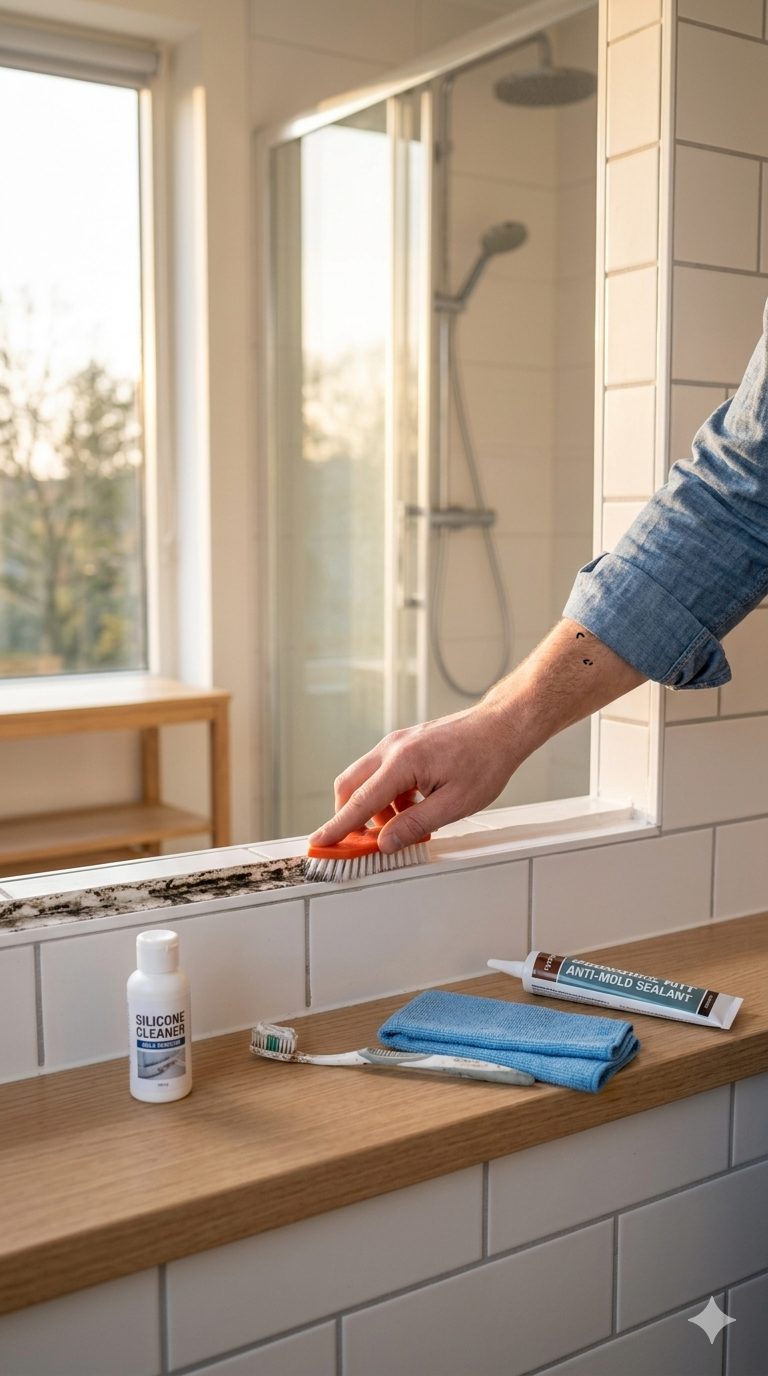
Finding mold on your shower sealant can be unsettling, but with the right approach you can restore a fresh, clean look and keep it at bay. This guide walks you through a simple shower seal cleaning process that works for most bathroom tiles and silicone joints, giving you confidence and a healthier space.
Quick Tip: Before replacing parts, turn off the water supply and take a quick photo of the tap setup. It makes reassembly much easier.
Why Mold Loves Silicone
Silicone sealant stays flexible and water‑resistant, but its porous surface can trap moisture. When humidity lingers, mold spores settle and multiply, turning a small spot into a visible patch. Understanding this helps you target the problem early.
Step‑by‑Step Mold Removal
Follow these clear steps to lift mold from silicone without damaging the sealant:
- Gather supplies. You’ll need a soft brush, white vinegar, baking soda, a spray bottle, and a clean cloth.
- Apply vinegar. Spray undiluted white vinegar onto the moldy area and let it sit for 15 minutes; the acidity kills most mold spores.
- Scrub gently. Use the soft brush to work the vinegar into the silicone, moving in circular motions.
- Rinse thoroughly. Wipe away the loosened mold with a damp cloth, then rinse the area with warm water.
- Create a baking soda paste. Mix baking soda with a little water until it forms a thick paste, then apply it to any remaining spots.
- Let it sit. Allow the paste to work for 10 minutes; baking soda gently scrubs away stubborn residues.
- Final wipe‑down. Remove the paste with a clean, damp cloth and dry the sealant with a towel.
Practical Tips for Prevention
Once the mold is gone, keep it from returning with these easy habits:
- Run the bathroom fan or open a window after showers to reduce humidity.
- Wipe down the silicone joints weekly with a mild detergent solution.
- Apply a silicone‑based sealant spray annually to reinforce the barrier.
- Check for leaks promptly; even a small drip can create a moist environment.
Frequently Asked Questions
Can I use bleach on silicone sealant?
Bleach can discolor silicone and degrade its flexibility over time, so it’s best to stick with vinegar or a mild detergent for regular cleaning.
How often should I perform shower seal cleaning?
For most households, a thorough cleaning every two to three months keeps mold at bay, while weekly spot‑wipes maintain freshness.
Is the internal guide helpful for deeper bathroom maintenance?
Yes! If you want a comprehensive approach to bathroom upkeep, explore our guide on removing bathroom mold, which covers everything from deep cleaning to long‑term prevention.
Need help with another home fix? Keep this guide handy and check your taps, drains, and fixtures regularly to catch small problems early.
Conclusion
Removing mold from silicone sealant doesn’t have to be a daunting chore. With a few household items and a systematic routine, you can restore your shower’s appearance and protect it from future growth. Consistent shower seal cleaning not only keeps your bathroom looking bright, it also contributes to a healthier home environment. Take the first step today and enjoy a mold‑free shower space.
You can also check this helpful external resource about shower seal cleaning.