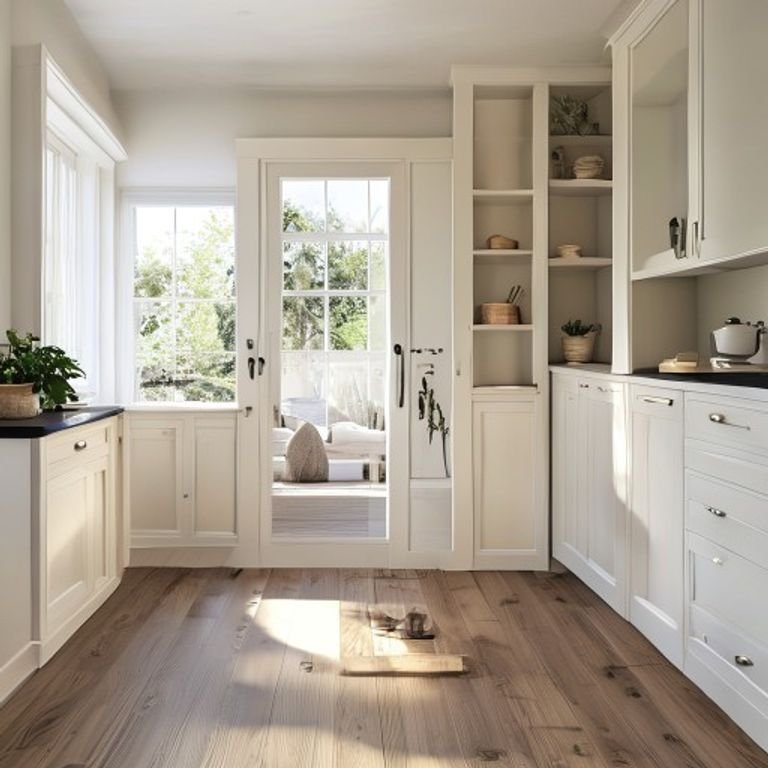
There’s something oddly satisfying about a well-functioning kitchen. Every cabinet door swings smoothly, every drawer slides with ease, and the space feels organized and welcoming. But when a cabinet door starts to hang loose, it can quickly disrupt that sense of order. Whether it’s creaking hinges or a door that won’t stay closed, a loose cabinet door is a common issue that can be easily fixed with a bit of knowledge and the right tools. This guide will walk you through the process of repairing a loose cabinet door, ensuring your kitchen maintenance stays on track and your space remains functional and inviting.
Quick Tip: Before replacing parts, turn off the water supply and take a quick photo of the tap setup. It makes reassembly much easier.
Identifying the Problem: Why Is My Cabinet Door Loose?
Before diving into repairs, it’s important to understand the root cause of the issue. A loose cabinet door can result from several factors, including loose screws, worn-out hinges, or even the natural settling of your home over time. By pinpointing the exact problem, you can choose the most effective solution and avoid unnecessary work.
Common Causes of Loose Cabinet Doors
Here are the most frequent reasons your cabinet door might be loose:
- Loose screws or bolts: Over time, vibration and daily use can cause screws to work themselves loose.
- Worn hinges: Hinges can deteriorate, especially in high-traffic areas, leading to instability.
- Stripped screw holes: Repeated tightening and loosening can wear out the wood around the screws.
- Improper hinge alignment: Misaligned hinges can cause the door to hang or swing incorrectly.
Once you’ve identified the cause, you can proceed with the appropriate repair steps.
Step-by-Step Instructions to Fix a Loose Cabinet Door
Tools and Materials You’ll Need
Before you begin, gather the following items:
- Phillips head and flathead screwdrivers
- A drill with drill bits (if replacing screws)
- Wood filler (for stripped holes)
- New screws or hinges (if needed)
- A level or measuring tape
- Sandpaper and paint/polyurethane (for touch-ups)
Step 1: Tighten the Screws
Start by checking the screws that attach the hinge to the cabinet frame and the door. Use the appropriate screwdriver to tighten any loose screws. If the screws are tight but the door still feels loose, the problem may be stripped screw holes.
Step 2: Address Stripped Screw Holes
If the screws won’t tighten properly, the holes may be stripped. Fill the holes with wood filler, let it dry completely, then drill new pilot holes slightly smaller than the screws. Reinstall the screws and tighten securely.
Step 3: Adjust the Hinges
Most cabinet hinges have adjustment screws that allow you to fine-tune the door’s position. Look for small screws on the hinge itself—typically one for vertical adjustment and one for horizontal. Turn these screws incrementally to realign the door until it hangs straight and closes properly.
Step 4: Replace the Hinges (If Necessary)
If the hinges are damaged or beyond adjustment, it may be time to replace them. Remove the old hinges carefully, noting their orientation and placement. Install new hinges according to the manufacturer’s instructions, ensuring they’re securely fastened.
For additional guidance on hinge maintenance, consider checking out this guide on fixing squeaky hinges to keep your doors operating quietly and smoothly.
Practical Tips for Success
Prevent Future Issues with Regular Maintenance
Regular kitchen maintenance can prevent many common cabinet issues. Periodically check and tighten screws, and lubricate hinges with a small amount of oil or wax to reduce friction and wear.
Use the Right Tools for the Job
Using a screwdriver that’s too large or too small can strip screws or damage hinges. Always use the correct size to ensure a secure fit without causing additional damage.
Test Before Finalizing
After making adjustments, open and close the door several times to ensure it operates smoothly. Make incremental adjustments as needed, rather than over-tightening or over-adjusting in one go.
Frequently Asked Questions
Can I fix a loose cabinet door without replacing the hinges?
Yes, many loose cabinet doors can be fixed by tightening screws or adjusting existing hinges. Only replace hinges if they’re damaged or beyond adjustment.
How often should I check my cabinet doors for looseness?
Incorporate a quick check into your monthly kitchen maintenance routine. Addressing issues early can prevent more significant problems down the line.
What should I do if the screws won’t tighten at all?
This usually indicates stripped screw holes. Fill the holes with wood filler, let dry, then drill new pilot holes and reinstall the screws.
Is it normal for cabinet doors to become loose over time?
Yes, especially in households with frequent use. Regular tightening and maintenance can minimize this issue.
Conclusion
A loose cabinet door doesn’t have to be a frustrating problem. With a bit of patience and the right approach, you can restore your cabinet’s functionality and keep your kitchen maintenance on track. Remember, the key is to identify the root cause and apply the appropriate solution. Whether it’s tightening a few screws or replacing worn hinges, these simple fixes can make a world of difference in your kitchen’s efficiency and appearance. By staying proactive with maintenance, you’ll save time and money in the long run, ensuring your home remains a place of comfort and order.
You can also check this helpful external resource about kitchen maintenance.