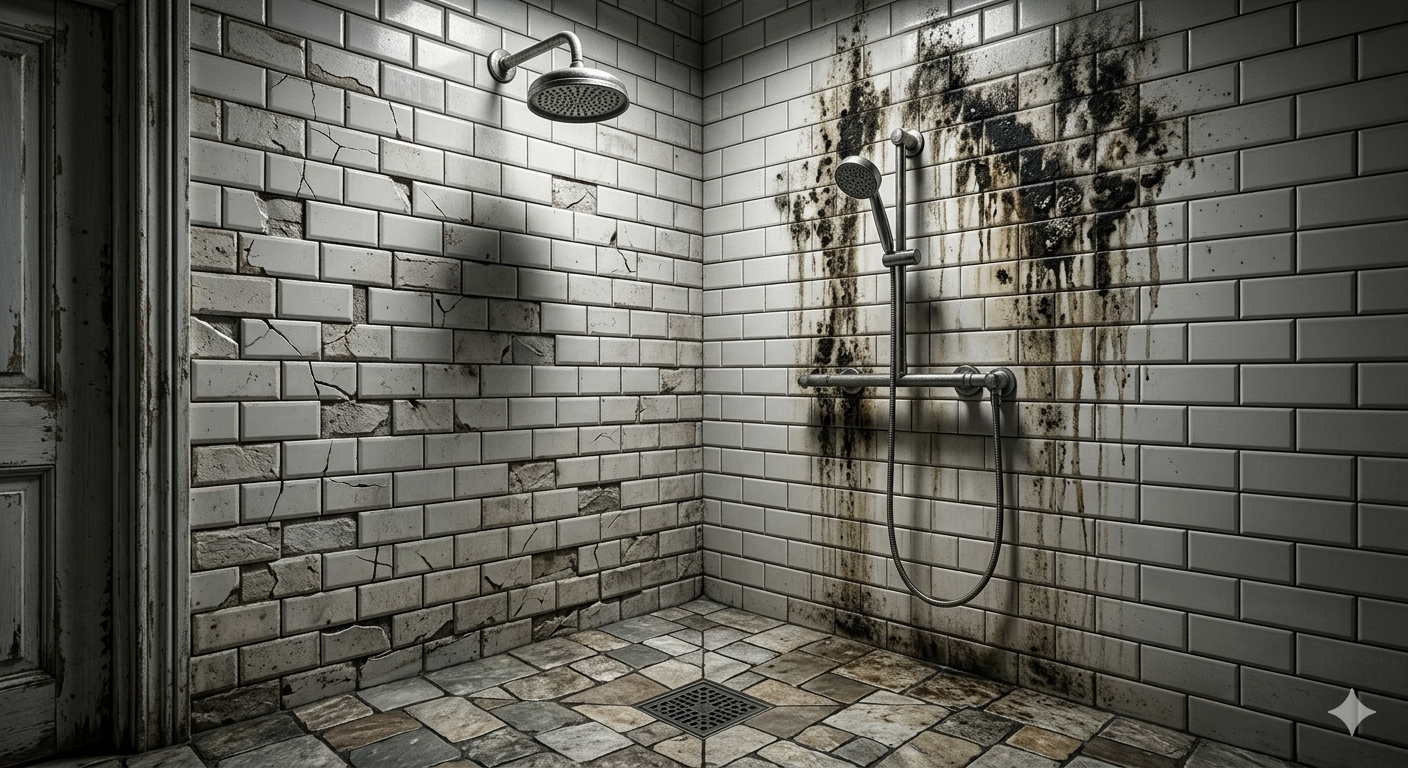
Dealing with black mold in your shower grout can feel overwhelming, but with the right approach you can restore a clean, fresh bathroom in just a few simple steps. This guide walks you through safe, effective grout cleaning that anyone can follow.
Quick Tip: Before replacing parts, turn off the water supply and take a quick photo of the tap setup. It makes reassembly much easier.
Understanding Black Mold in Shower Grout
Black mold thrives in damp, humid environments like shower corners and grout lines. When moisture lingers, spores multiply quickly, turning the once‑white grout into a dark, unsightly mess.
Why Grout Cleaning Matters
Regular grout cleaning not only improves the look of your bathroom but also helps prevent health issues such as allergies and respiratory irritation caused by mold spores.
Step‑by‑Step Guide to Remove Black Mold
- Gather your supplies: a spray bottle, white vinegar or a commercial mold remover, baking soda, a stiff‑bristled brush, gloves, and a microfiber cloth.
- Ventilate the area by opening a window or turning on the exhaust fan to reduce moisture and improve airflow.
- Spray the affected grout lines generously with undiluted white vinegar, letting it fizz for 10‑15 minutes to break down the mold.
- Sprinkle baking soda over the wet grout, then scrub with the brush in circular motions. The mild abrasive lifts mold without damaging the grout.
- Rinse the area with warm water, wiping away residue using a clean microfiber cloth.
- Dry the grout thoroughly with a towel or let it air‑dry completely; moisture left behind can cause mold to return.
Practical Tips for Effective Grout Cleaning
- Perform routine grout cleaning every 1‑2 months to prevent buildup.
- Use a mixture of equal parts water and hydrogen peroxide for a gentle, non‑toxic solution.
- Apply a grout sealer after cleaning to create a protective barrier against future mold growth.
- Keep the bathroom well‑ventilated by using a fan or leaving the door open after showers.
Frequently Asked Questions
Can I use bleach to remove black mold from grout?
While bleach can kill surface mold, it may not penetrate porous grout and can damage surrounding surfaces. A vinegar‑baking soda combo is safer and equally effective for most grout cleaning needs.
How long does it take for mold to return if I don’t treat the moisture?
If humidity remains high, mold can reappear within days. Ensuring the grout dries completely and using a sealant helps keep it at bay.
Is professional grout cleaning worth the cost?
For extensive mold infestations or heavily stained grout, professional services can save time and ensure a deeper clean, but the steps above work well for typical household situations.
Need help with another home fix? Keep this guide handy and check your taps, drains, and fixtures regularly to catch small problems early.
Conclusion
With a little patience and the right grout cleaning routine, you can banish black mold and keep your shower looking bright and hygienic. Remember to stay consistent, ventilate the space, and seal the grout for lasting results. For a deeper dive into bathroom mold solutions, check out our ultimate guide to removing bathroom mold. Your clean, fresh shower awaits!
You can also check this helpful external resource about grout cleaning.